We’re on a mission to radically improve hearing technology
Breakthrough innovation depends on high integrity scientific research.



Our research interests
We study word recognition across increasingly complex multi-speaker environments.
We evaluate Fortell in everyday noise scenarios like restaurants and streets to confirm our AI responds appropriately.
We measure subjective inputs to ensure wearers love our products.
Studying hearing is complex, and we don’t cut corners. Fortell clinical trials follow gold-standard research practices.
- 01
Double-blind randomized study designs to ensure unbiased results
- 02
Collaboration with outside academics to uphold the highest standards
- 03
Real-world listening scenarios to verify results in everyday conditions
- 04
Controlled lab environments to ensure precision and repeatability
Our research findings
Proven in controlled studies
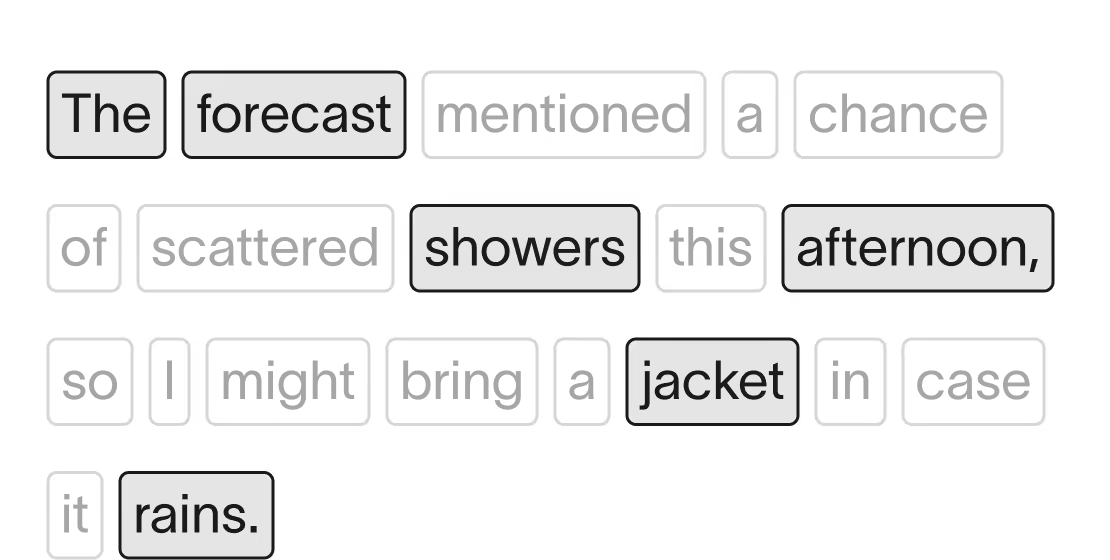
Signal-to-noiseimprovements enhance speech understanding
Our sound-processing technology uses AI to identify the voices that matter (the signal) and suppress unwanted sounds (noise) in near real-time.
Clinically measured
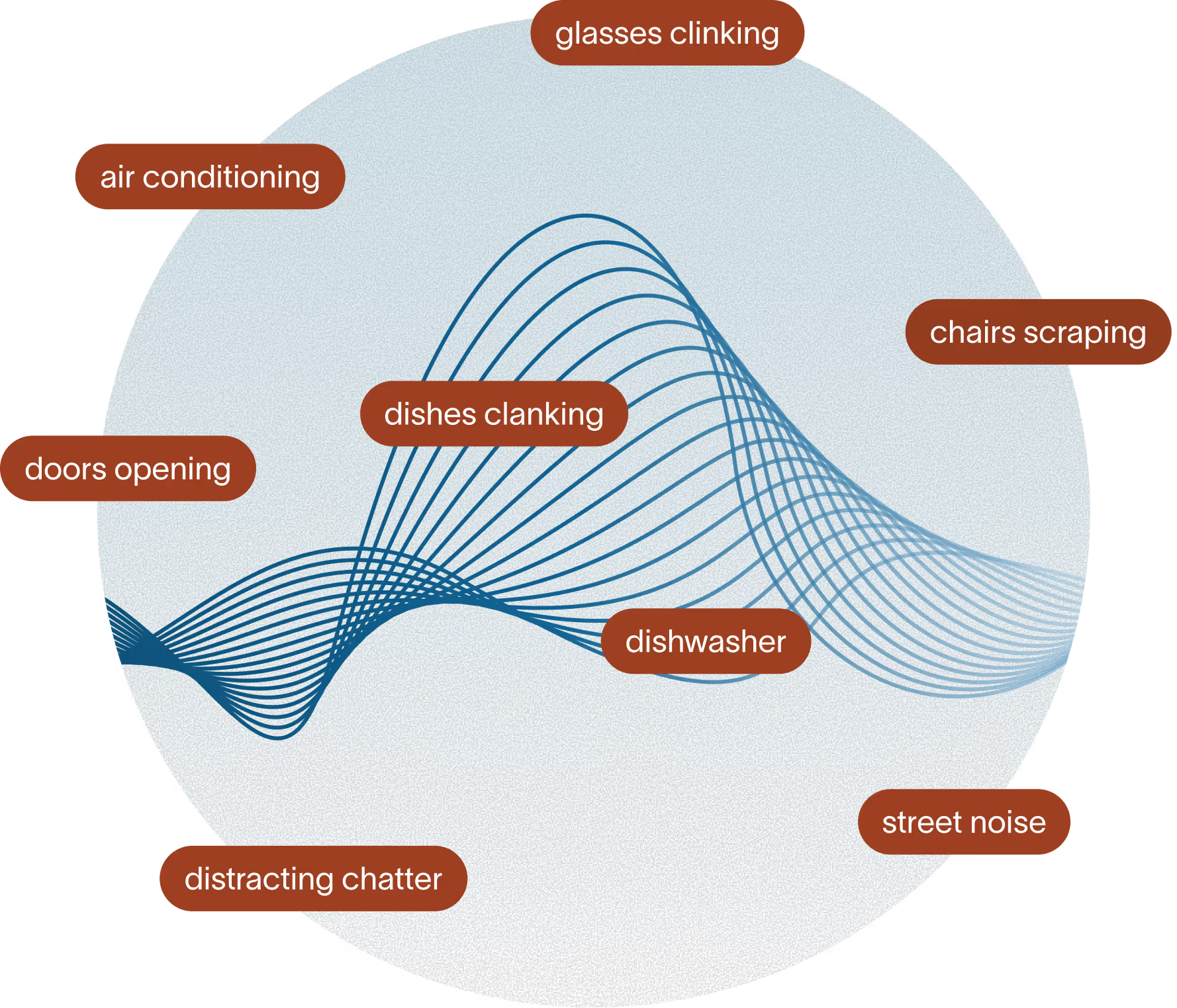
Fortell’s Spatial AI reduces distracting noise
Spatial AI uses an array of synchronized microphones and advanced directional processing to map your surroundings. It isolates the human voice while softening distracting sounds, mimicking the way a healthy brain naturally filters noise.




Clinically validated
Wearers prefer Fortell over competitors
Objective measures like signal-to-noise (SnR) ratio describe the relative loudness of speech versus noise. We use subjective testing to confirm SnR improvements translate into the experience of improved clarity.

Our advisors
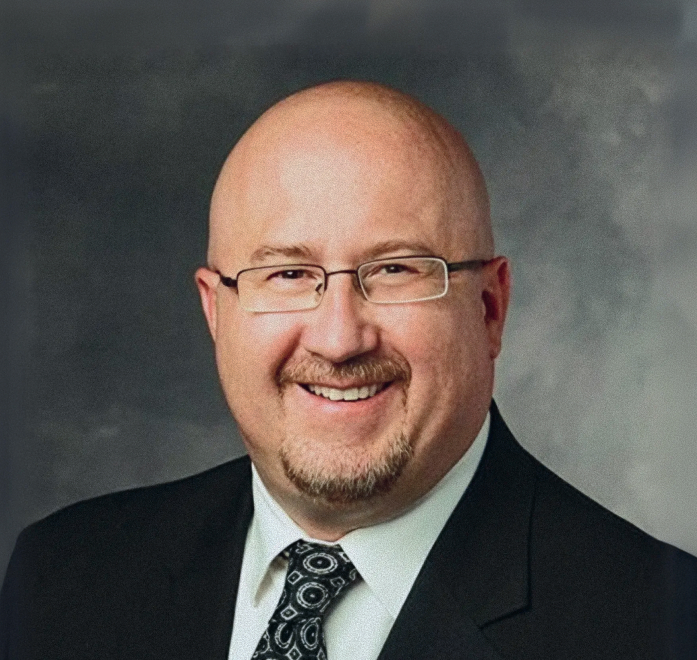
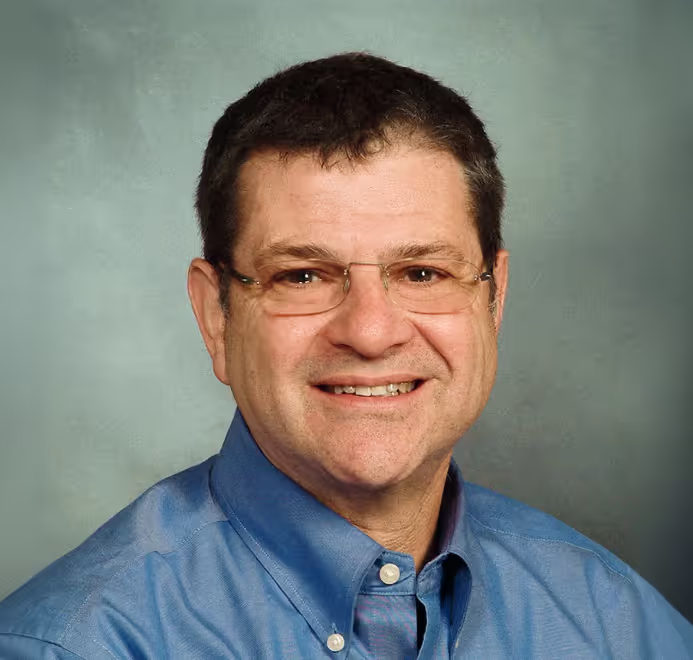
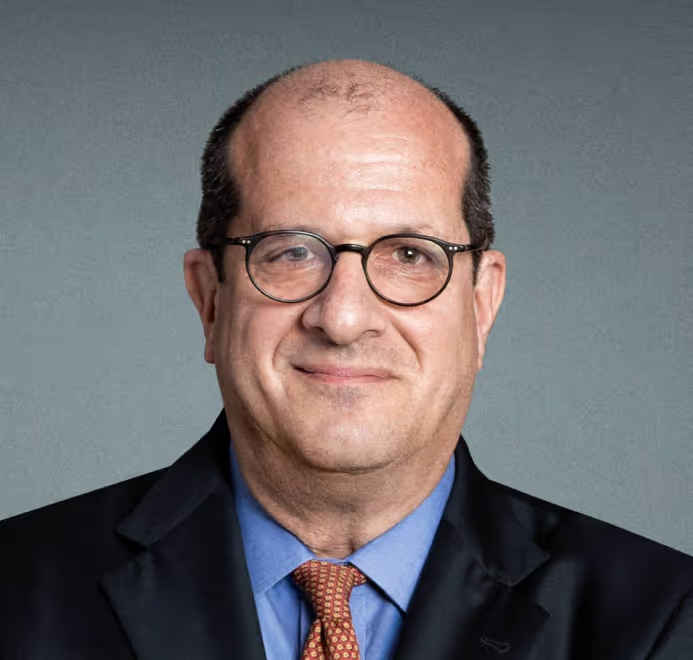
Our external research advisors bring deep expertise across audiology, hearing science, and patient advocacy. They work closely with our internal team to shape study design, strengthen interpretation, and ensure our research meets a high standard of evidence.




Our researchers
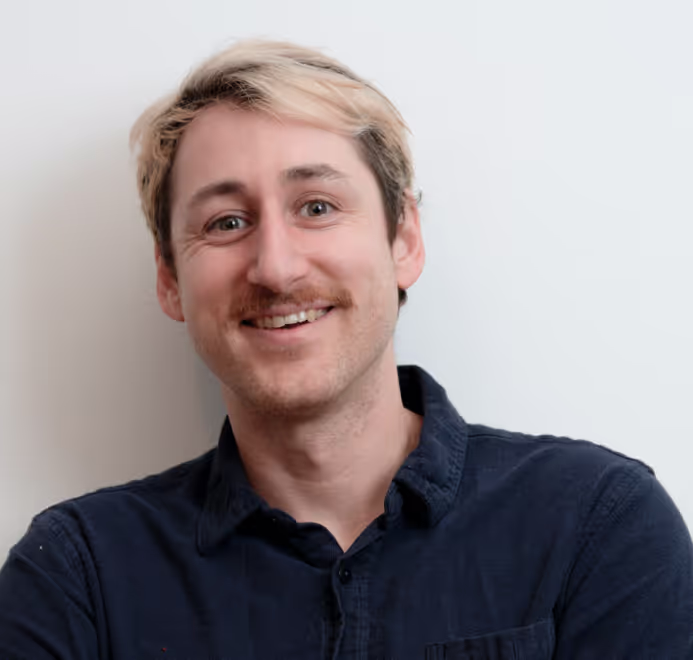
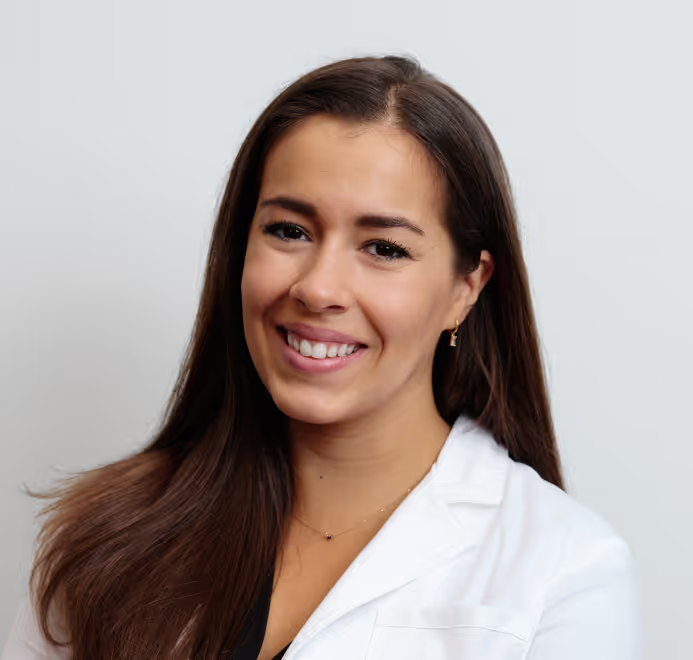
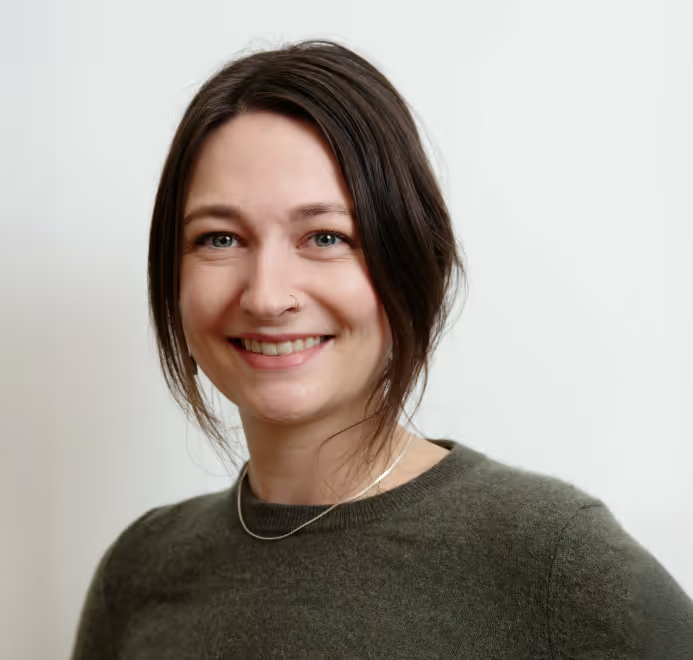
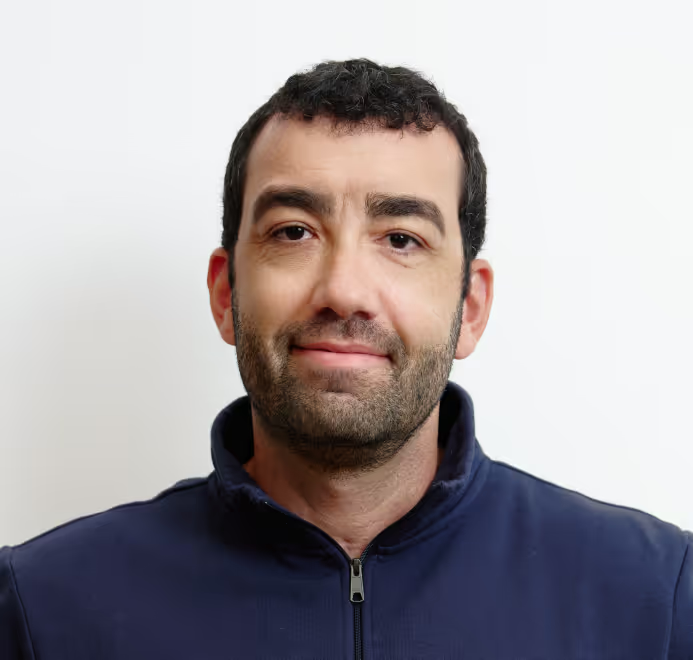
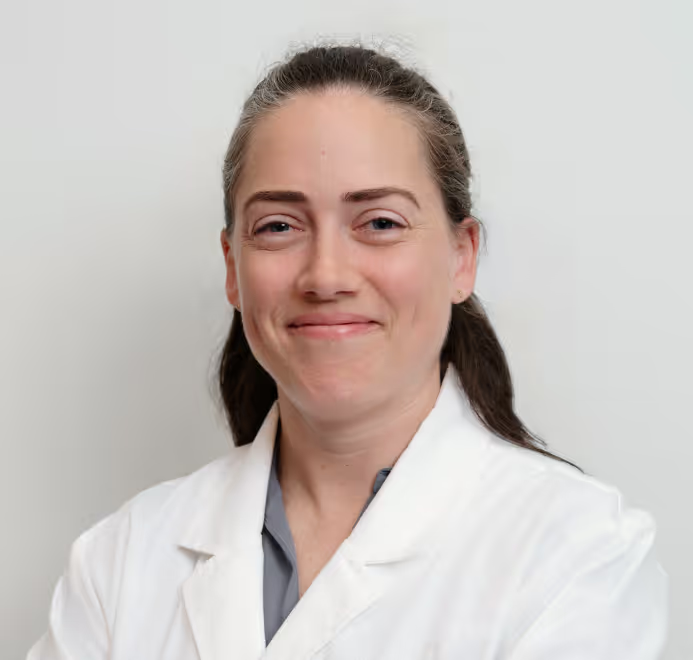
Fortell’s research team spans clinical audiology and hearing science, AI, and signal processing. Together, they lead our scientific strategy and translate research into product innovation.




Frequently asked questions
Both studies were designed to provide statistically meaningful insights while maintaining a manageable scope for rigorous testing. The study on speech intelligibility included 30 participants and the study on listening preference included 20 participants.
Yes. The study on listening preference compared Fortell against the five top-spec hearing aids on the market. The study on speech intelligibility compared Fortell to the leading AI-powered hearing aid. This ensures that Fortell’s performance is measured against the best options currently available.
To ensure a fair comparison, competitor devices were programmed to their maximum settings for directionality and noise cancellation.
A “gold standard” clinical trial represents the highest level of scientific rigor and credibility in testing medical devices. Key components include:
- Double-blind methodology: Neither the participants nor the researchers knew which device was being tested at a given time, eliminating bias.
- Randomized controlled trial design: Participants are randomly assigned to different testing conditions, ensuring results are not skewed by participant selection or external factors.
- Proper comparison groups: testing is conducted against the best available alternatives on the market, so that any performance claims are meaningful and relevant.
We are constantly conducting research to better serve the needs of our patients.