Breakthrough science. Better hearing aids.
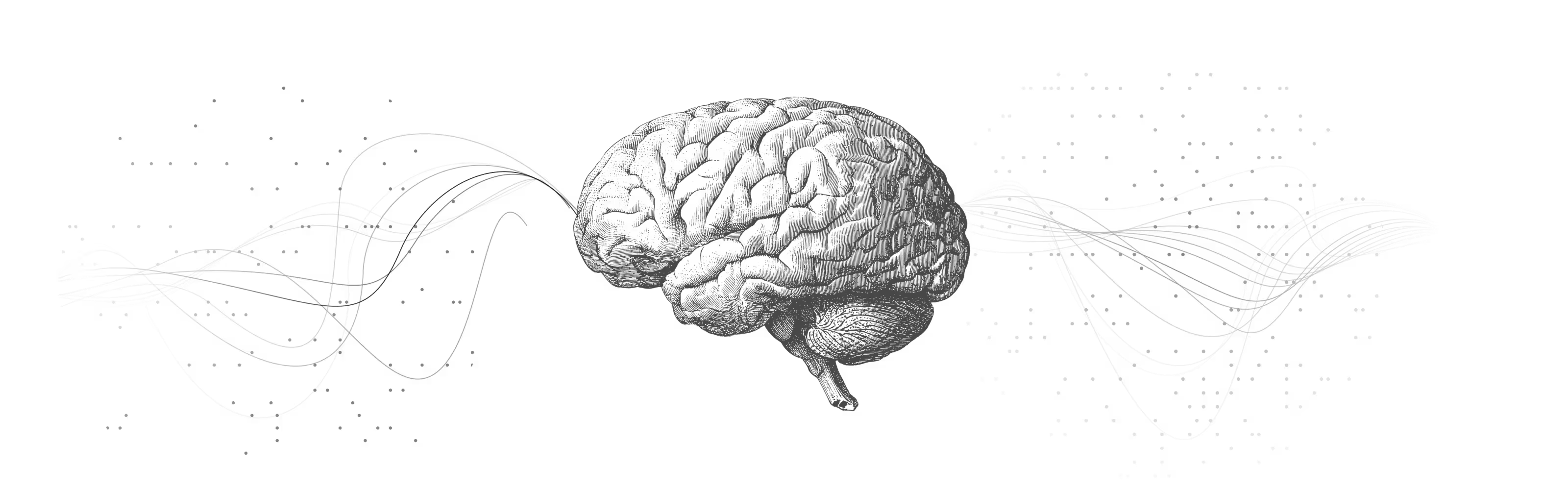
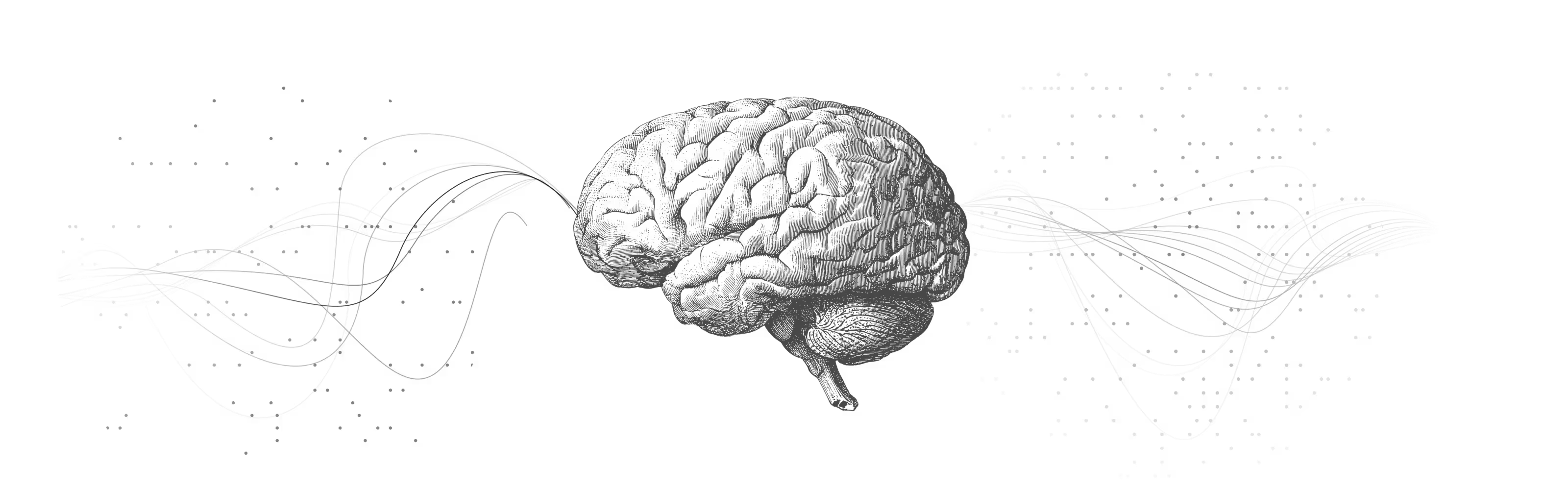
Hearing loss isn’t just about the ears.
As ears age, they lose sensitivity, so the signals they send to the brain are sparse and off-key.


It’s also about the brain.
Aging affects the brain’s capacity to process sound. As the brain strains to hear, it exacerbates the problem, exhausting precious processing power.
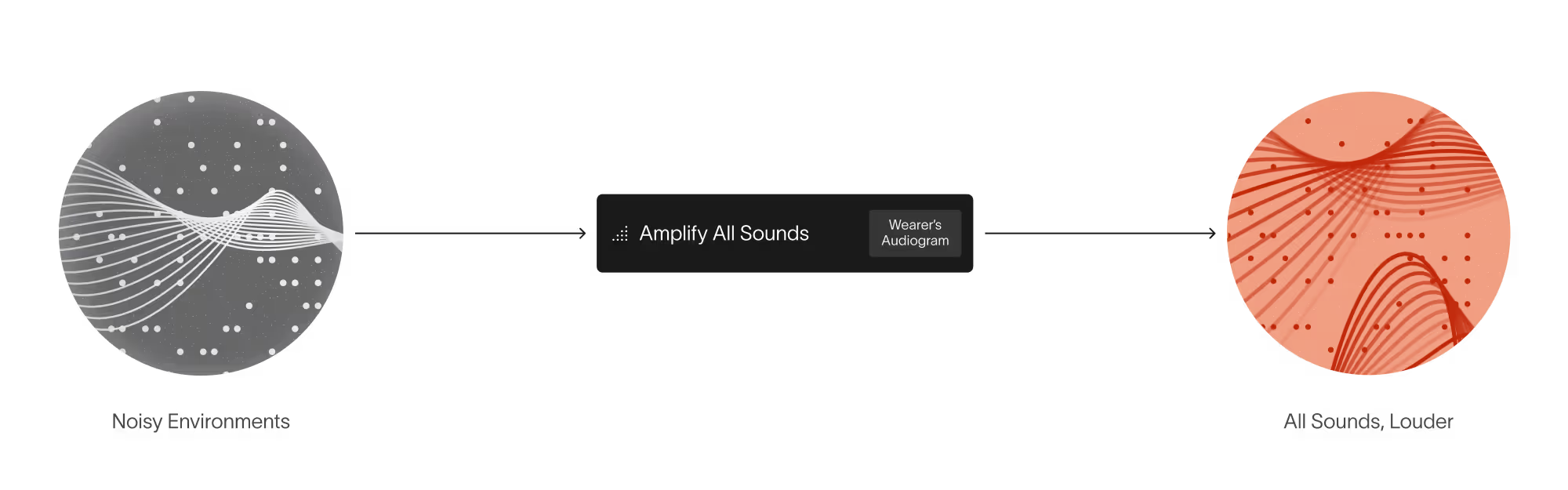
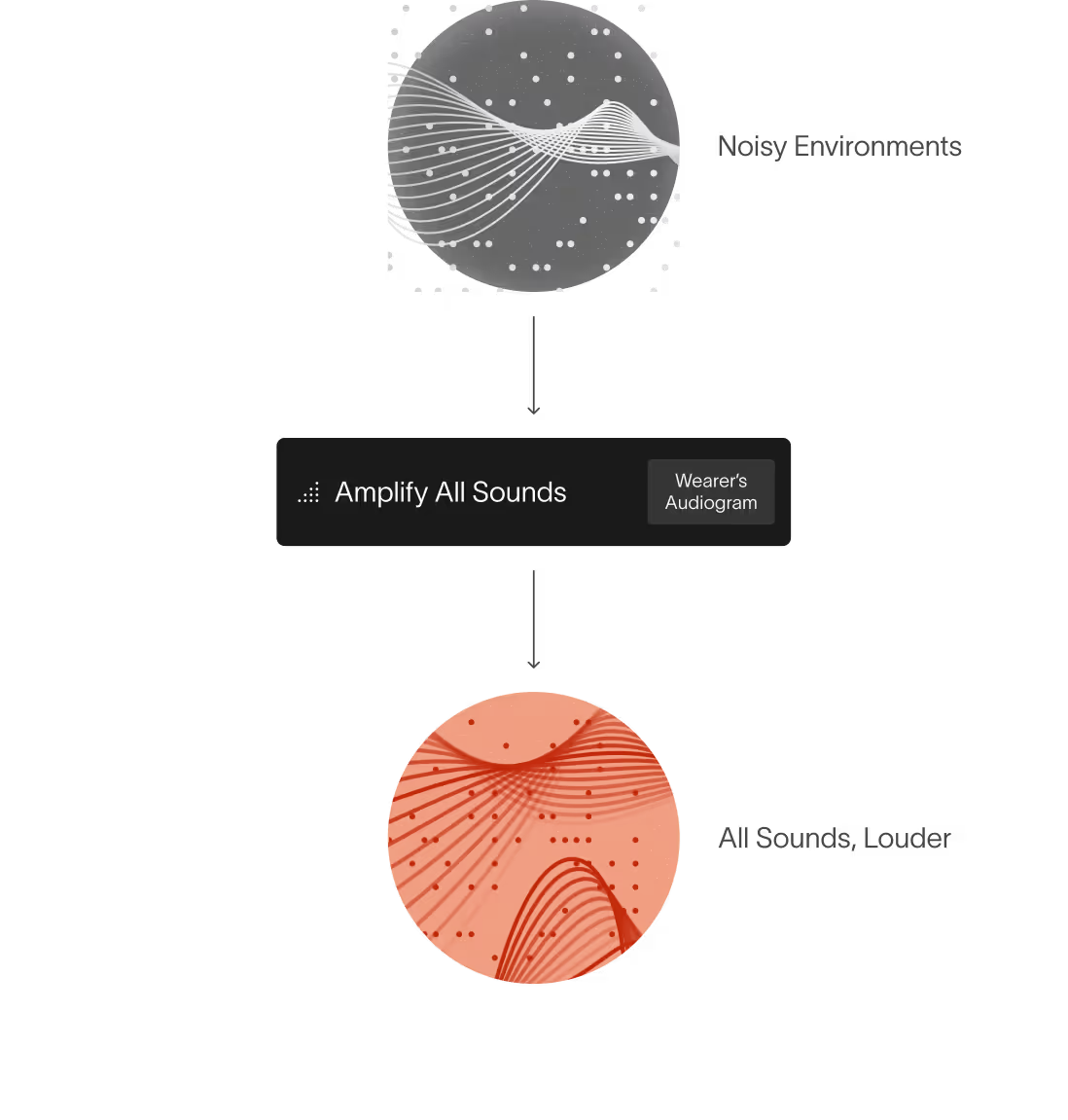
Traditional hearing aids amplify everything.
Because they can’t reliably distinguish conversation from background noise, they turn both up—making loud places even louder.
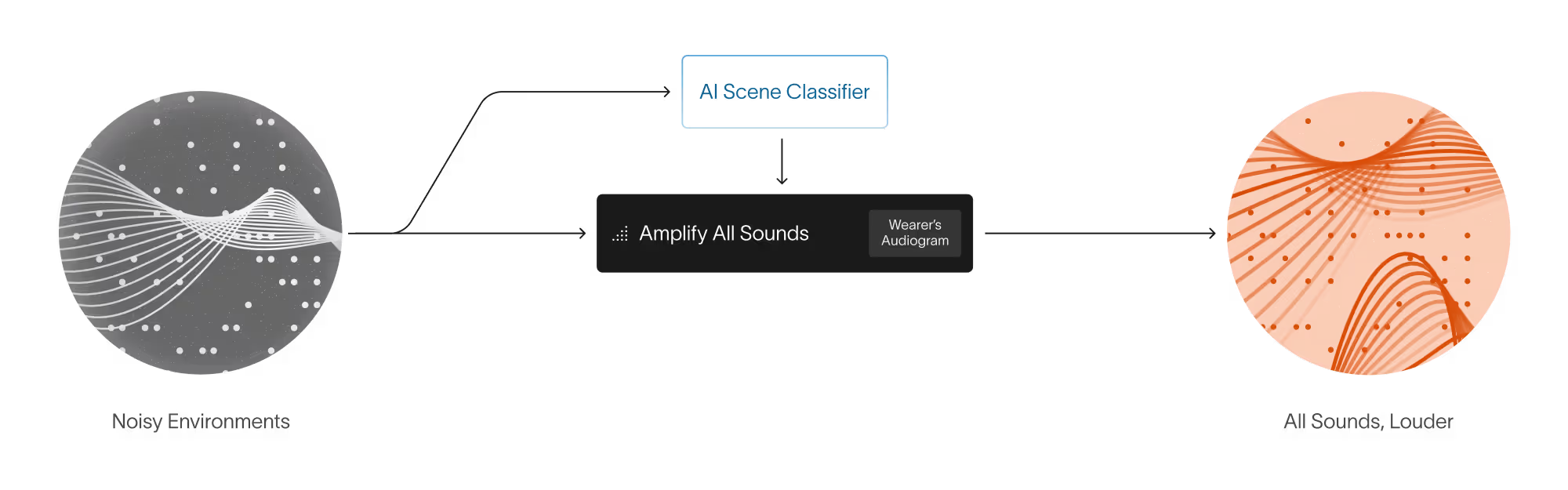
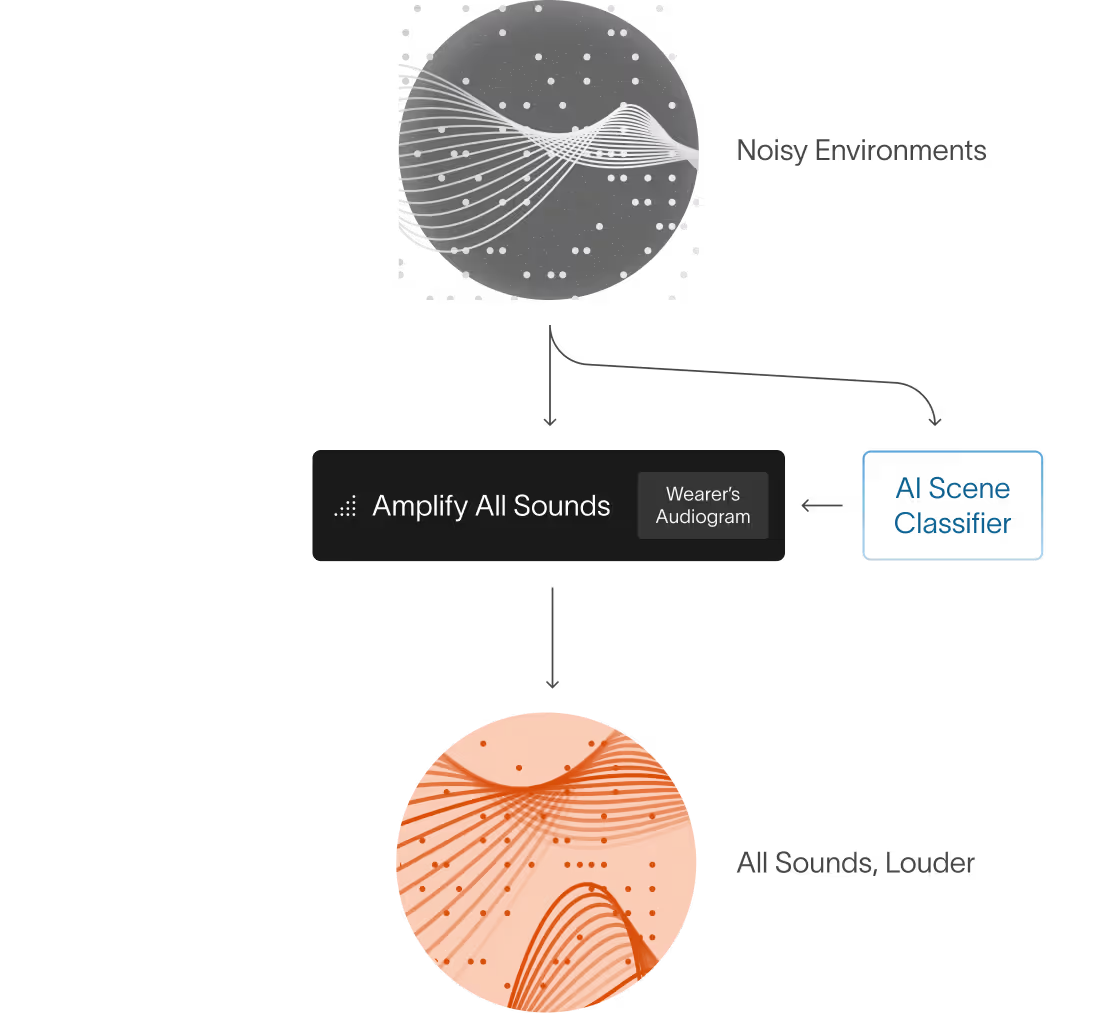
“AI-powered” competitors merely re-tune old tech.
Leading “AI” hearing aids use tiny scene-classification neural networks to tweak the parameters of legacy signal-processing pipelines. They don’t meaningfully improve your ability to hear in noise.
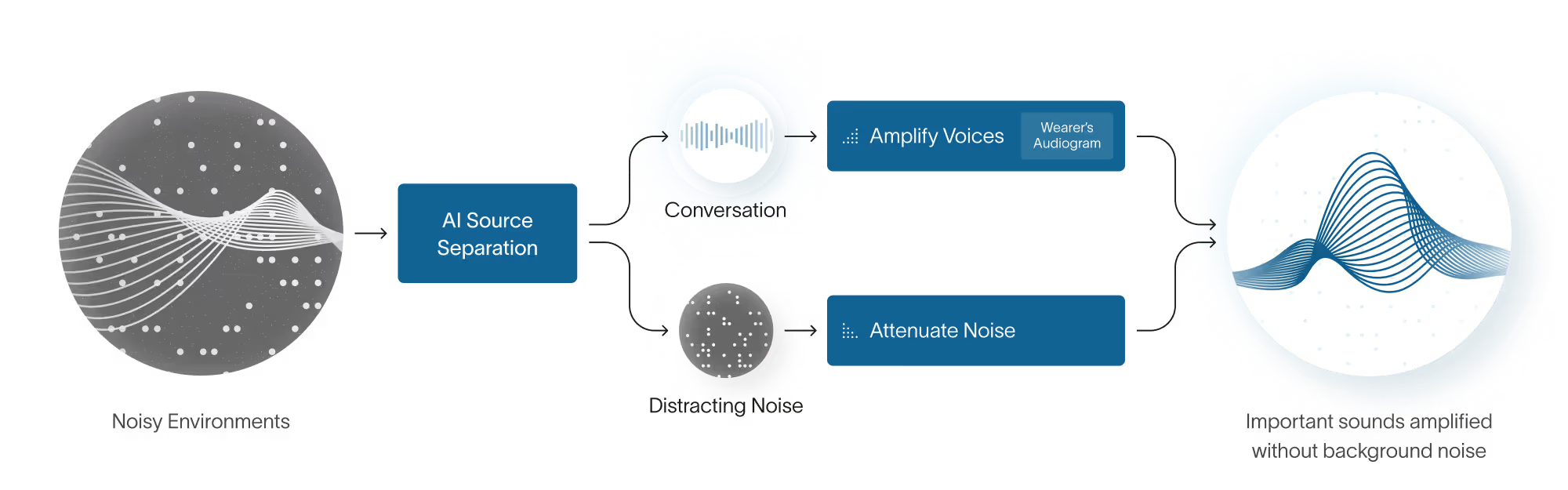
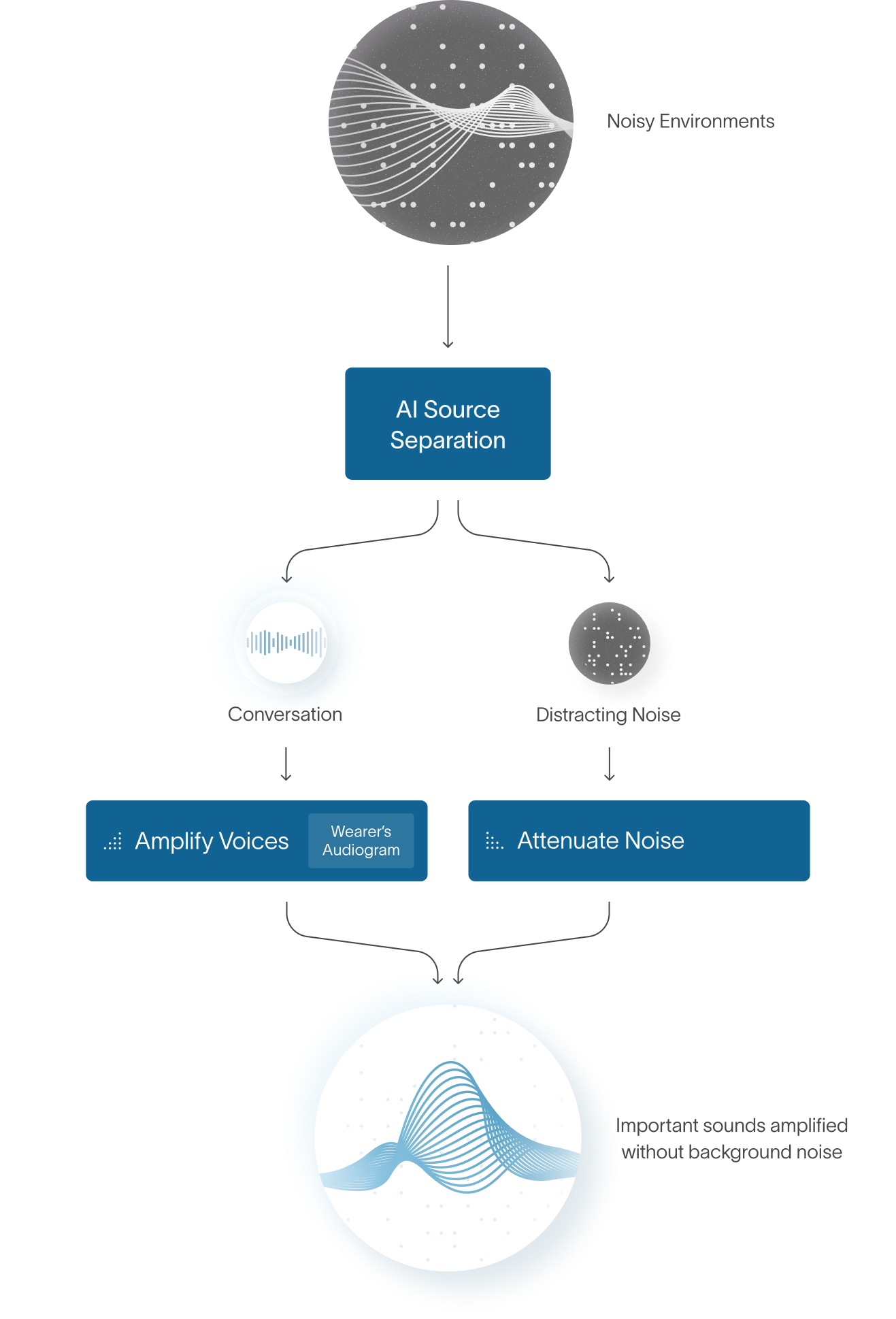
Fortell AI separates important from unimportant.
It pulls conversation into the fore and attenuates distraction. It changes what you actually hear—not just how loud everything is.
hours of battery life with continuous AI use thanks to the unprecedented silicon efficiency
more compute in Fortell Silicon vs a leading “AI-powered” hearing aid
Frequently asked questions
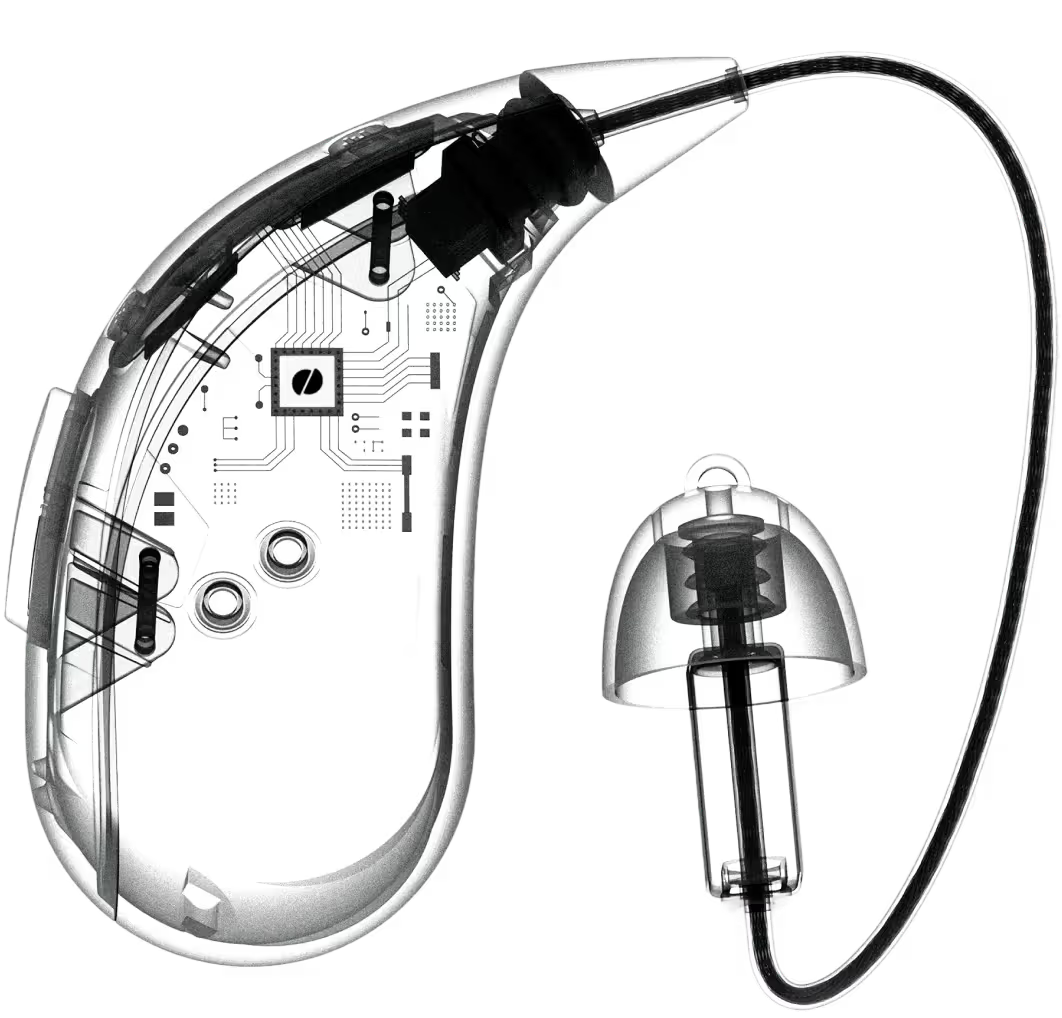
Hearing aids do three basic things: they capture sound with microphones, process it, then deliver it into your ear through a tiny speaker (receiver). The real difference between hearing aids isn’t the microphone but the processing: what the device chooses to amplify, and what it turns down.
Conventional hearing aids are programmed strictly to your audiogram (your hearing test). They identify which frequencies you struggle with and turn the volume up on those specific ranges. In a crowded restaurant, background noise lives in the same frequency range as human speech. Because conventional aids struggle to tell them apart, they treat them as a blended signal, often making the clattering dishes just as loud as the person sitting across from you.
Fortell is designed differently. Fortell uses an AI processor to separate speech from background noise first, then amplifies the speech stream while attenuating the noise stream. So instead of making everything louder, Fortell is built to make conversation clearer, especially in the situations where conventional hearing aids struggle most.
TSMC manufactures Fortell’s custom on-device AI silicon. Fortell’s proprietary AI chip delivers a step-change in on-device capability, providing 235× more compute than conventional hearing aid processors and executing up to 100 billion operations per second with end-to-end latency under 10 milliseconds to enable natural sounding conversations without perceptible lag.
Noisy places are hard because your brain isn’t just trying to hear “louder” it’s trying to separate speech from everything else. With conventional hearing aids, much of what you hear in a restaurant like voices, clanking dishes, background music lands in or near the same frequency ranges that carry speech. So when the device amplifies sound to match your audiogram, it can end up boosting speech and competing noise together. The result can feel like a louder “wall of sound,” forcing your brain to work overtime to pick out the conversation–one reason many people feel drained after time in noise.
Fortell works differently. Instead of sending a single blended, amplified signal to your ears, Fortell’s AI chip is designed to separate speech from background noise in real time. It brings voices forward and pushes non-speech noise back, so the “sorting” happens in the device, not in your head. You don’t just hear more, you hear more clearly, with less effort, so you can stay engaged longer without the usual listening fatigue.
Our technology has been validated through rigorous, double-blind studies conducted in collaboration with leading institutions, including NYU Langone, Mount Sinai, and Weill Cornell.
Independent clinical research shows that Fortell’s Spatial AI significantly outperforms leading premium hearing aids in both speech understanding and user preference, especially in noisy environments.
In one study, participants consistently understood more words correctly when using Fortell compared to a leading premium AI hearing aid. In another study, 95% of participants reported that Fortell made it easier to hear and follow a target speaker compared to five other premium AI-assisted hearing aids. You can read more about our clinical trails at fortell.com/clinical-research